


BEEPThe Bicycle Education
Empowerment Program
Educate. Empower. Accelerate tomorrow.
- 20,000+Bicycles for Students
- Thousandsof Students Empowered
- CommunitiesAcross Ghana
- A BrighterFuture for All
Shifting the future
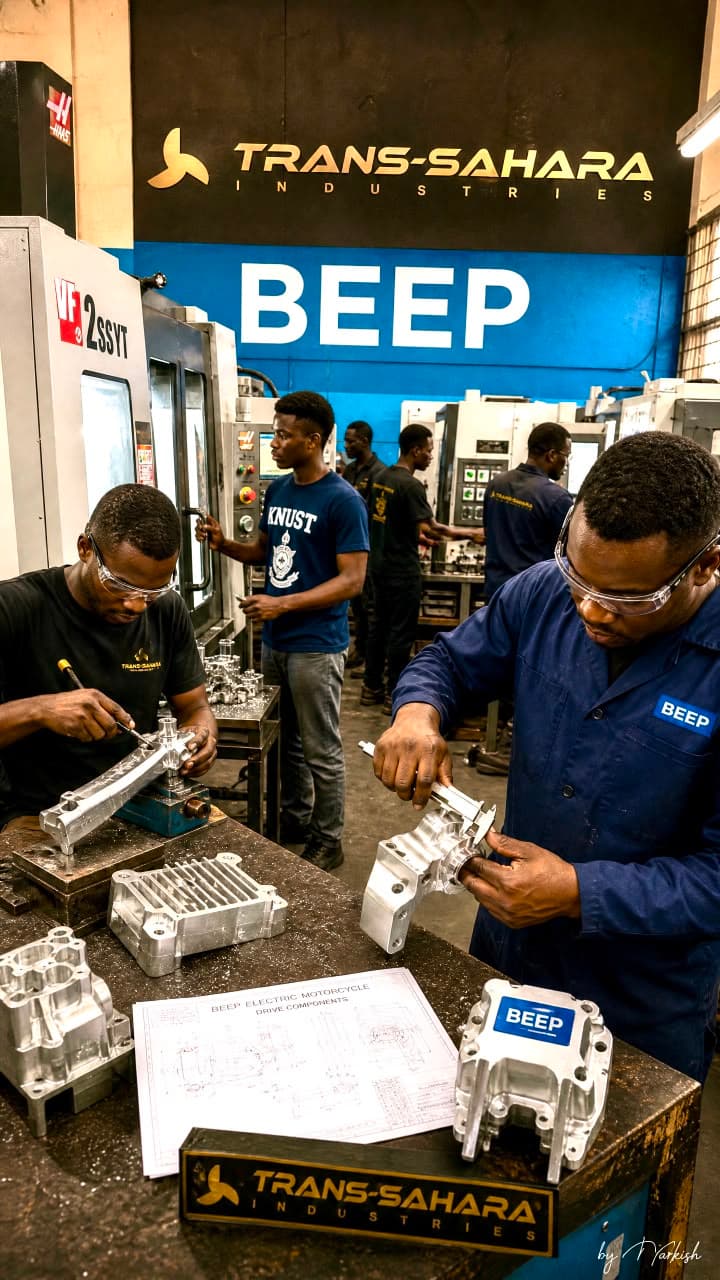
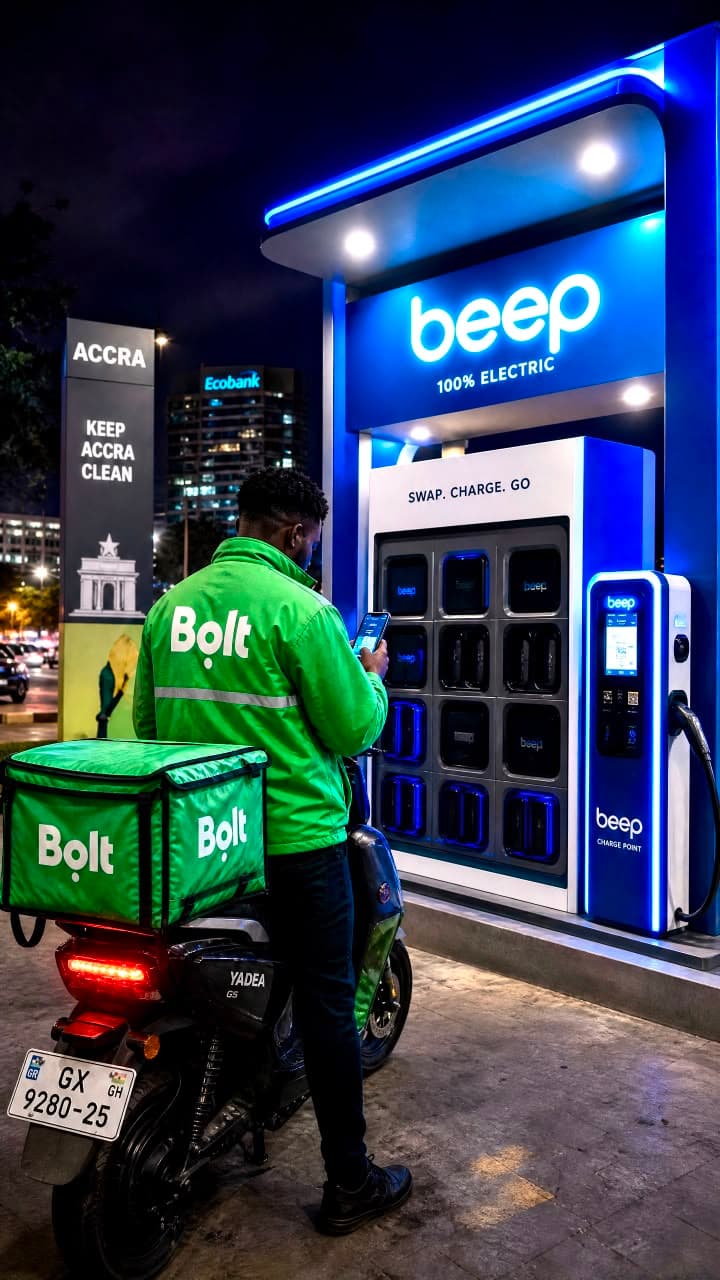
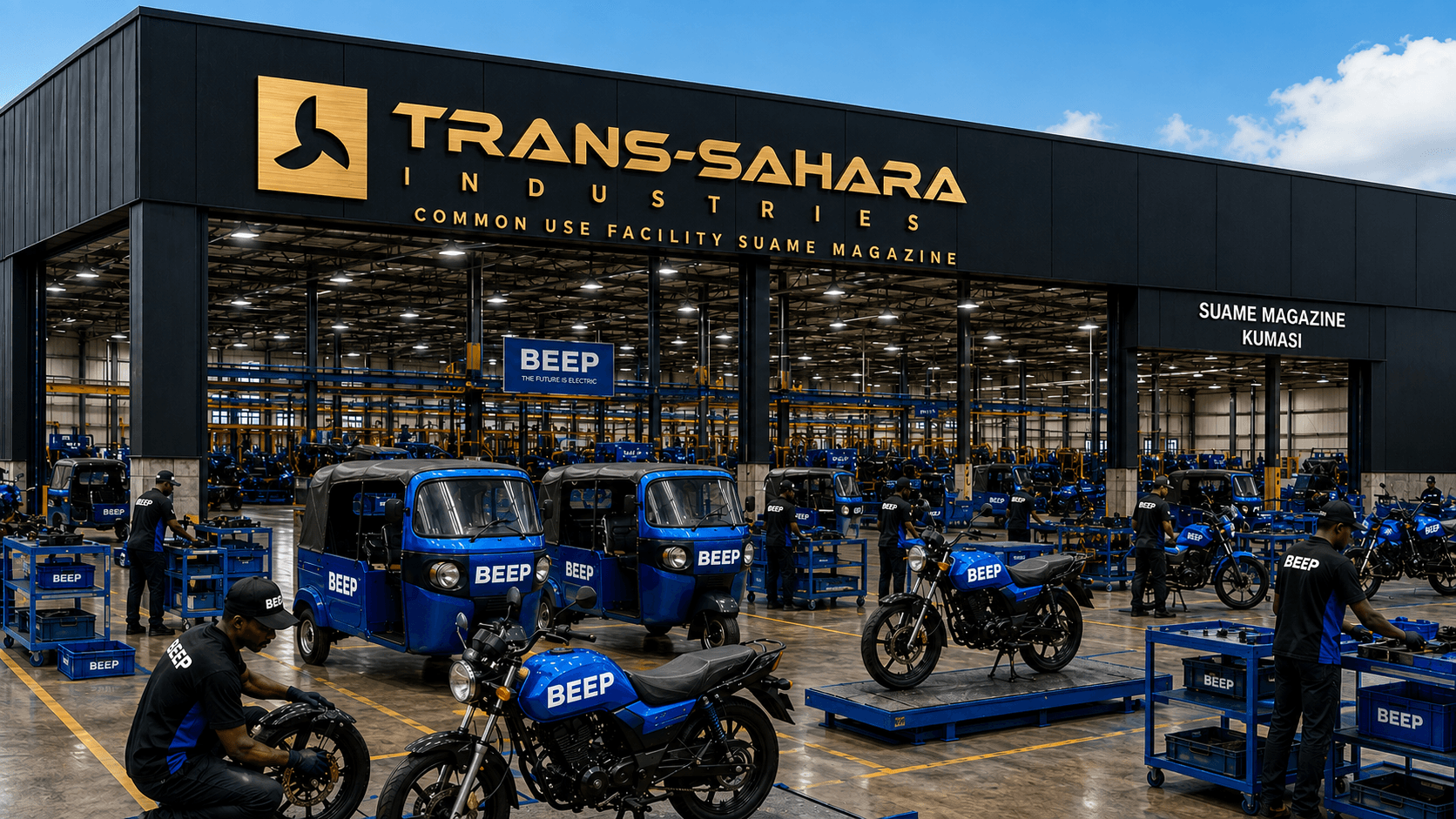
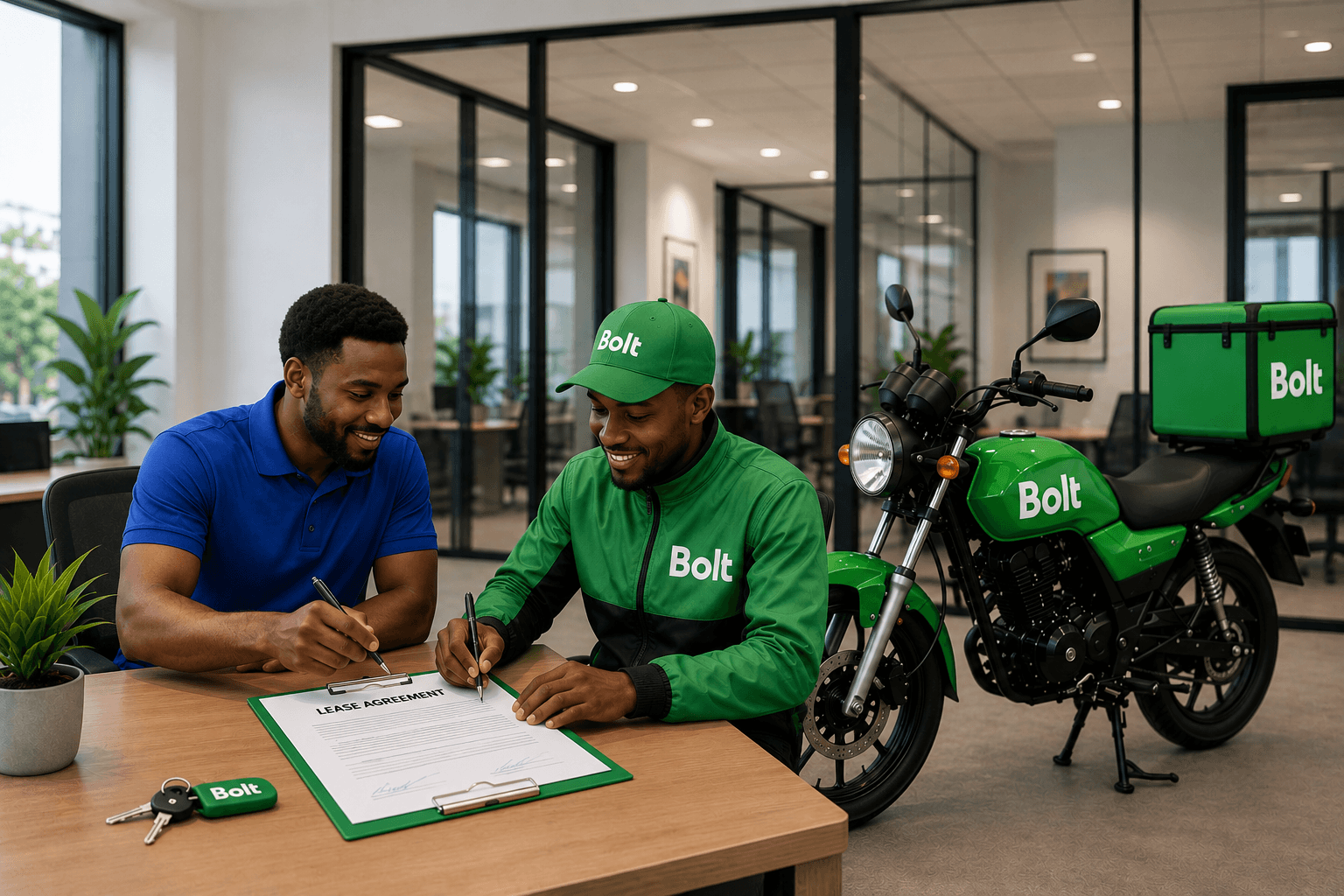
We're rebuilding every element of the commercial ride — the machine, the energy behind it, and the way a rider comes to own it.
Beep Bicycles
Bi Nka Bi
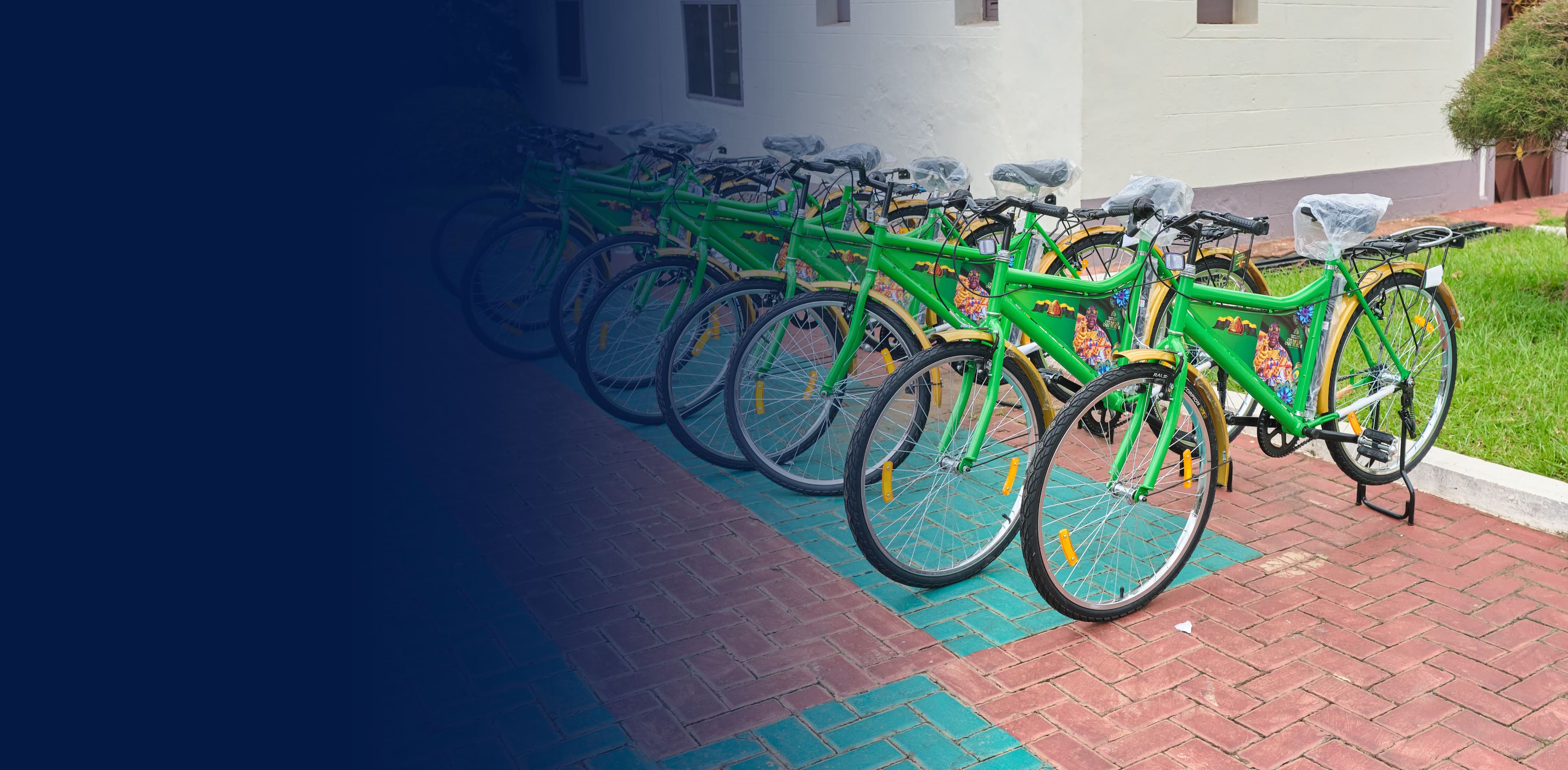
Built for the route, assembled in Ghana. Steel frame, full mudguards, front and rear carriers, the bicycle to pick when you are not sure which one you need.
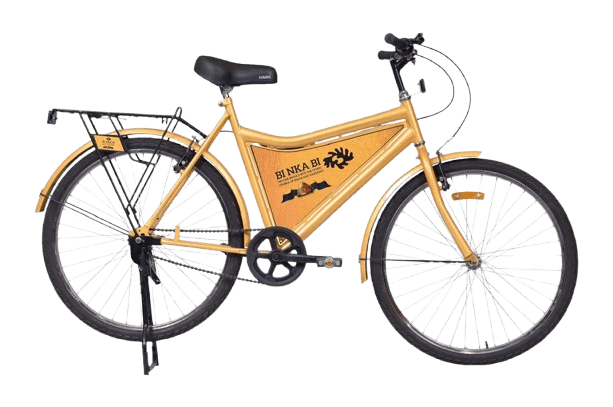
Built for the route, not the showroom
Three decisions drove the whole bicycle. Each one trades a feature a Western commuter would want for something a Ghanaian rider actually needs.
Steel, not aluminium
Repairable, not sealed
Rated to carry
One frame, built to carry
Every BEEP bicycle shares the same steel frame, the same wheels and the same running gear. What changes is what it is set up to carry, and what you pay for it.
BEEP Standard
The roadster build. Steel frame, full mudguards, rear carrier. If you are not sure which one you need, it is this one.
Figures are modelled targets pending confirmed manufacturer data.
BEEP Standard
Specifications are modelled targets for the demonstration build. Final figures depend on confirmed supplier data from Trans-Sahara Industries, including landed unit cost, frame tubing and component sourcing. Nothing on this page constitutes a product warranty.
For everyday riding
For everyday riding — work, school, errands, the school run. Bought outright by families, by companies kitting out staff, and by NGOs and donor programmes placing bicycles with the communities they serve. A household paying a trotro fare twice a day spends more in a year than the bicycle costs once.
Assembled locally, serviced locally
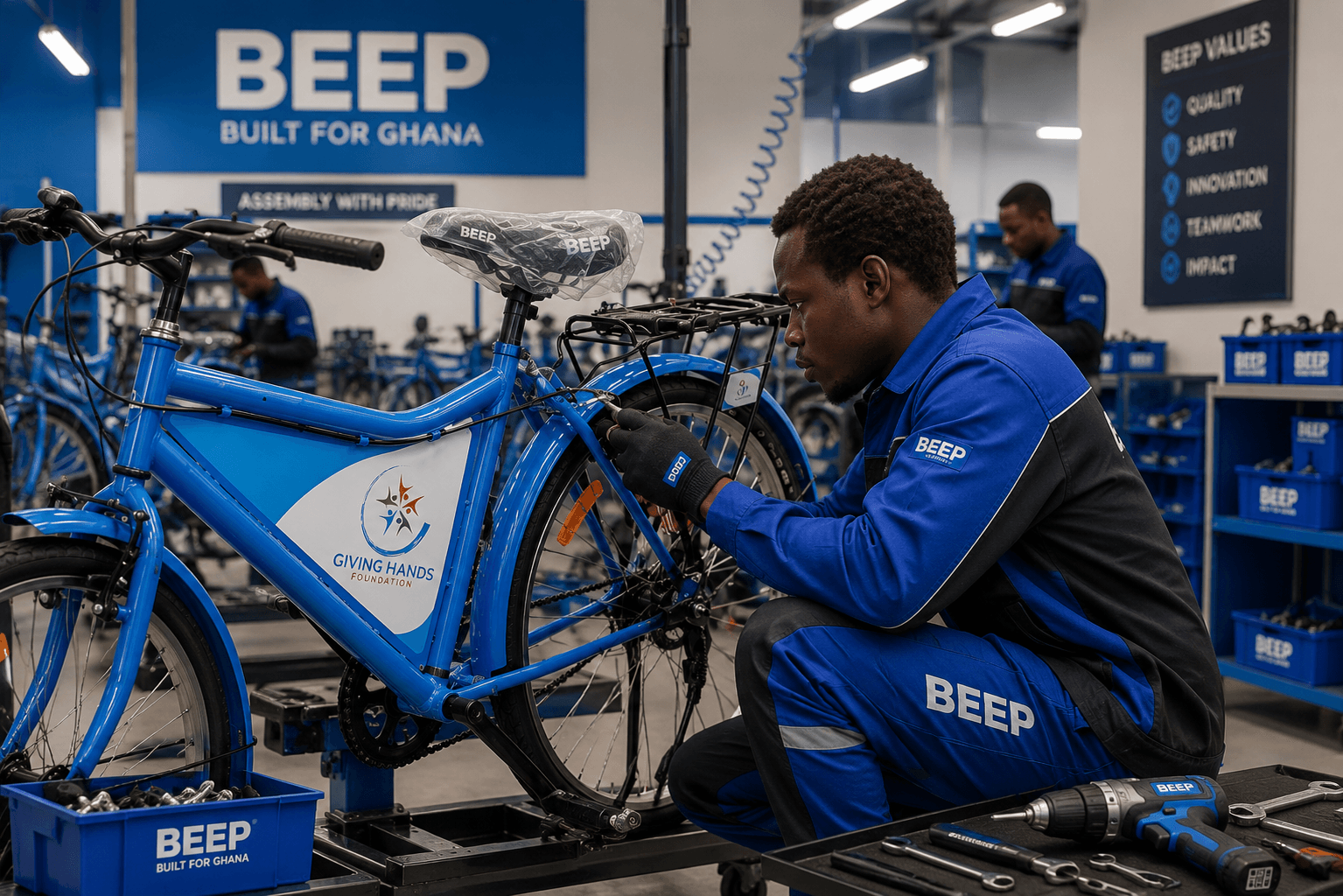
Knocked-down kits land in Tema and are assembled in-country. That is not a marketing line — it is what makes spare parts available in a week instead of a quarter, and what puts trained fitters on the route.
Yours from the day you collect it.
Bicycles are sold outright — one price, delivered, no instalments to carry. Order one, or ask about volume for a workforce or a donor programme.
Breaking the Cycle
A joint programme with The OR Foundation that trains women working as kayayei — Ghana's female head porters — to assemble, repair, sell and service BEEP bicycles, as owners of the business rather than recipients of a donation.
A manufacturing programme meets a livelihoods programme
BEEP needs a distribution and service network in the north. Mabilgu needs dignified, durable work for women leaving head-carrying. Breaking the Cycle is the same twenty thousand bicycles, routed through the women who will sell and maintain them.
BEEP
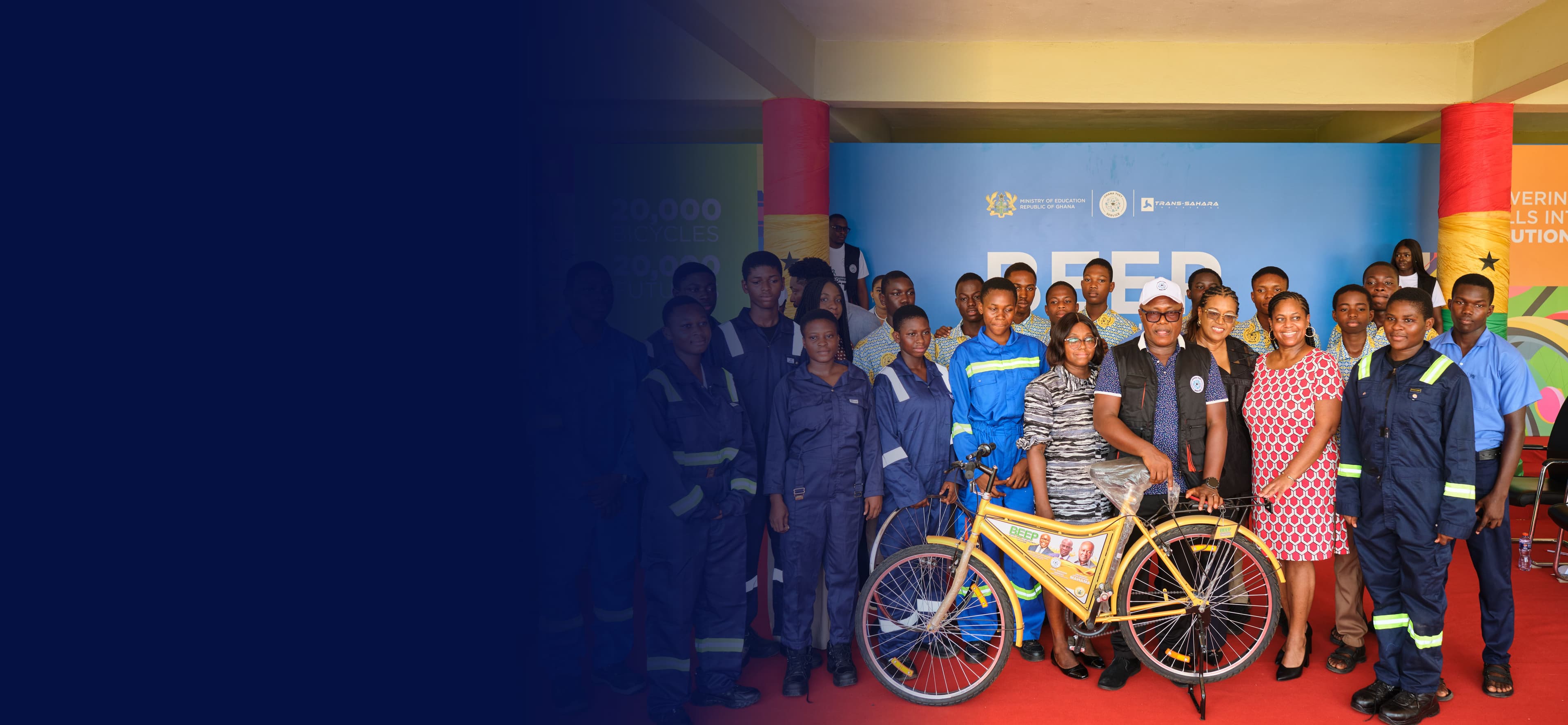
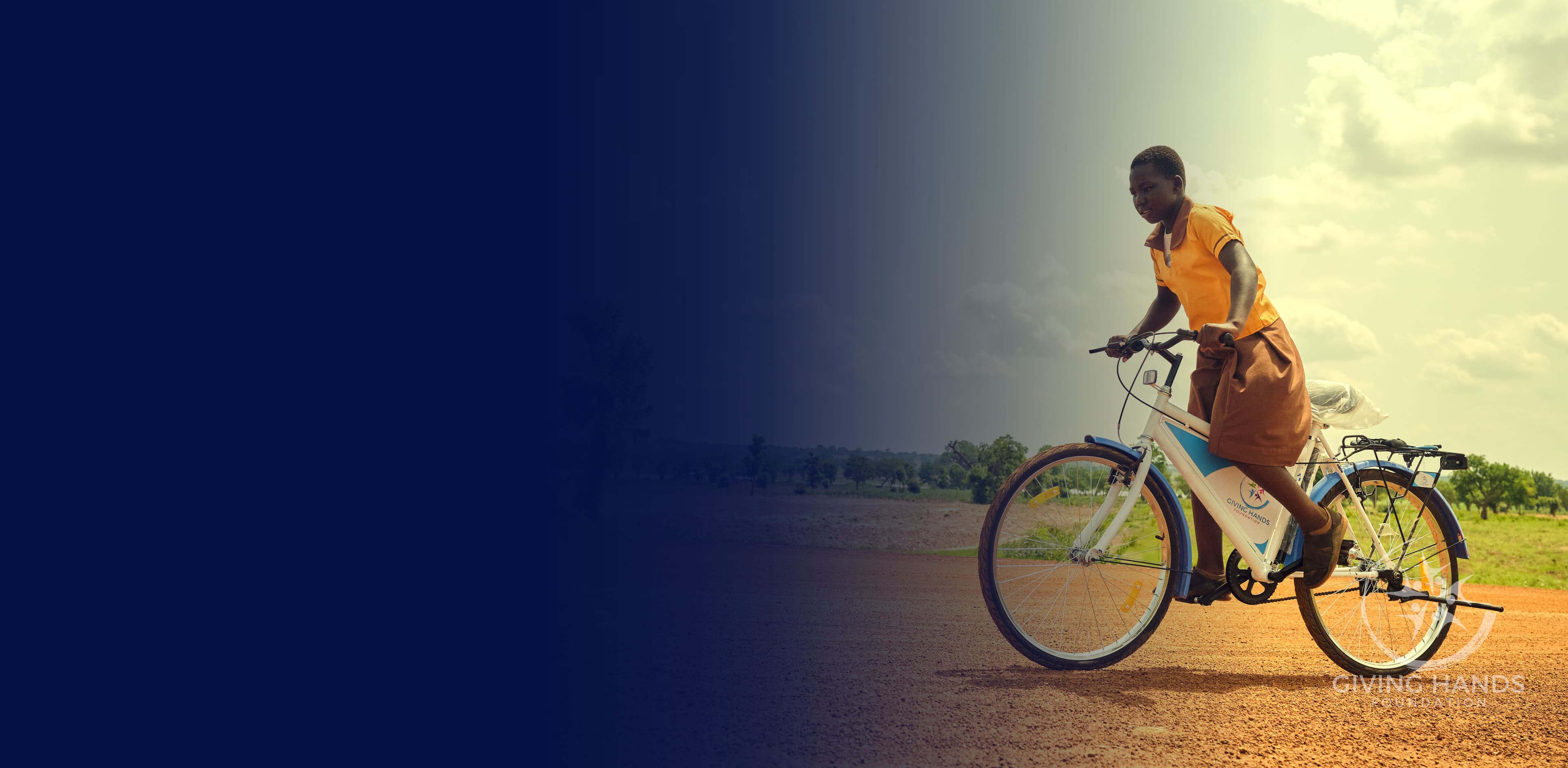
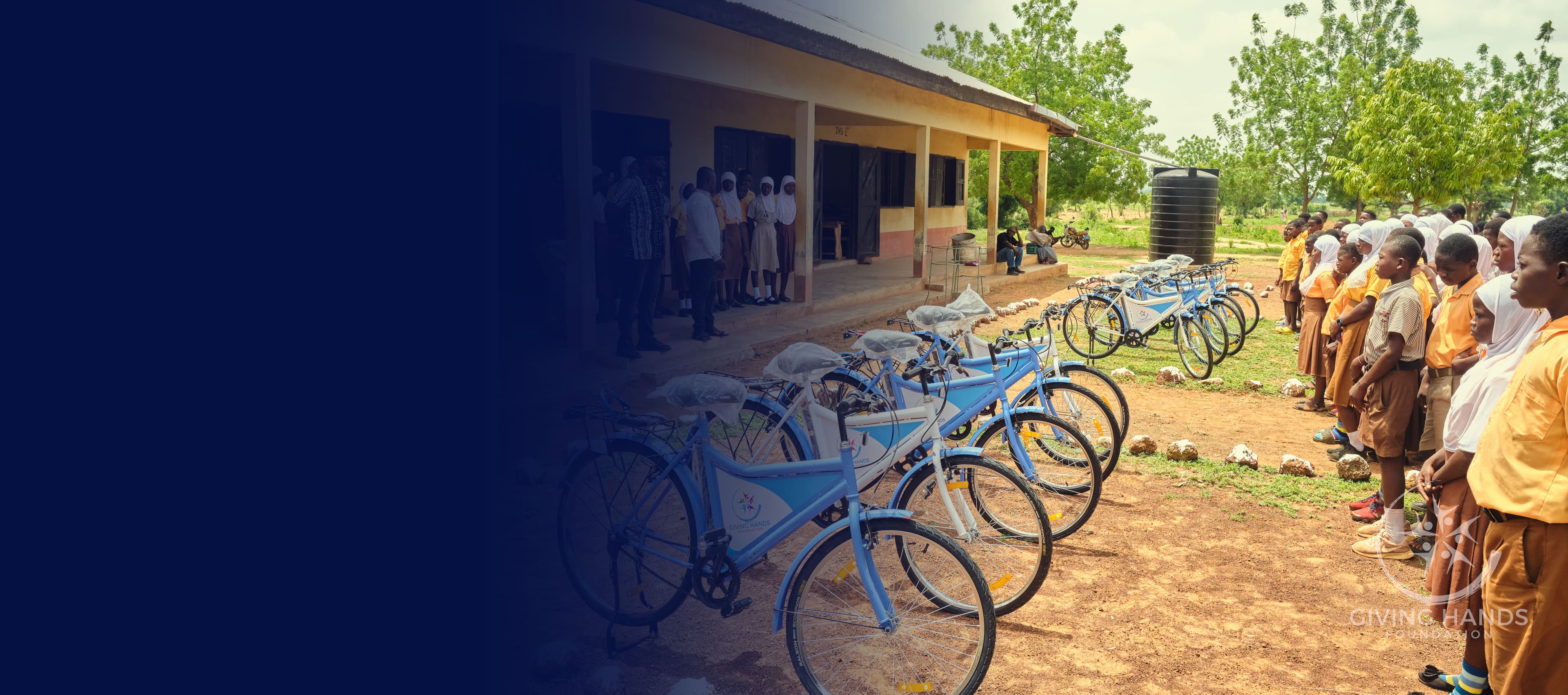
Trans-Sahara Industries, working with the Ghana TVET Service and under the auspices of the Ministry of Education, is manufacturing and distributing twenty thousand locally made bicycles to rural students in Ghana for whom a long and hazardous commute is the barrier to staying in school.
Mabilgu
The OR Foundation's initiative creating alternative economic pathways, educational opportunities and holistic support systems for women and girls working as kayayei. It is the recruitment, curriculum and wrap-around-support side of this partnership.
From head-carrying to owning the storefront
The programme is a training pipeline with a business at the end of it. Each step hands the participant more of the operation, and the last step is the one that makes the network self-sustaining.
Recruitment
Technical training
Micro-franchise
Service network
Bicycles
Training and transitioning women working as kayayei into franchise owners, assembly technicians and retailers of BEEP cargo and commuter bicycles.
Motorcycles
Scaling the retail, distribution and maintenance network to include BEEP electric motorcycles, adding the electrical skillsets required to service and charge them.
One thousand bicycles, twenty-three districts
The first phase of Breaking the Cycle targets the Northern and Upper East regions — the same rural districts where the commute to school is longest.
These are the targets set out in the memorandum of understanding between Trans-Sahara Industries and The OR Foundation. They are commitments to a shared plan, not results achieved.
Who does what
Neither organisation is subcontracting to the other. TSI builds and trains; The OR Foundation recruits, supports and distributes. The programme only works if both halves hold.
Trans-Sahara Industries
- Manufacturing & supply
- Sourcing materials, manufacturing and quality control of the BEEP bicycles to agreed specifications.
- Technical training
- Developing and delivering the assembly, repair and maintenance curriculum for apprentices, in consultation with The OR Foundation.
- Logistics
- Primary transport of bicycles to central distribution hubs across the designated districts.
- Government liaison
- Managing the relationship with the Ghana TVET Service and the Ministry of Education for programmatic alignment and regulatory compliance.
- Planning & scoping
- Information sharing and scoping support, including the procurement and test assembly of bicycles by prospective participants.
The OR Foundation
- Apprentice recruitment
- Identifying and recruiting eligible participants, and providing psycho-social and foundational wrap-around support.
- Curriculum synchronisation
- Aligning the technical curriculum with existing Mabilgu programme content and practice.
- Assembly trial
- Purchasing an initial batch of BEEP bicycles and kits to be assembled as a trial, to scope and plan programme expansion.
- Purchasing & distribution
- On securing dedicated project financing, managing the purchase of bicycle kits for assembly and distribution across the designated districts.
- Funding support
- Supporting TSI in securing capital from donors, impact investors and development finance institutions.
The bicycles are built. The financing is the gap.
Breaking the Cycle is structured, staffed on both sides and cleared through the TVET and Ministry of Education channel. What it needs is project finance for the distribution phase. If that is what your institution does, we should talk.
Three doors. Pick yours.
Tell us which one you are and we come back with the model and the assumptions behind it — not a brochure.
Fleet operators
10–500 units, ride-hailing or delivery
Fleet console, route cohorts, daily reconciliation, pass-through financing
Rider count and your routes
Station hosts
Fuel stations, shops, lorry parks
Hardware, install, maintenance and insurance — plus a fee on every swap
≈6 m², a metered connection, footfall
Distributors
Regional partners across West Africa
Territory, assembly and service rights, parts supply, brand support
Your market and existing footprint
Building the ecosystem
together


Figures are modelled targets, not measured results. Partner marks represent relationships at varying stages, from executed agreements to advanced discussions.
Talk to us
Fleet operators, station hosts, distributors, lenders and programme partners all reach the same inbox. Tell us which one you are and we come back with the model and the assumptions behind it.