BEEP is the rider-facing brand of Trans-Sahara Industries Ltd. Accra, Ghana.Visit Trans-Sahara Industries →
Tank Volt livery. Same swap network.

Beep Motors
Tank Volt

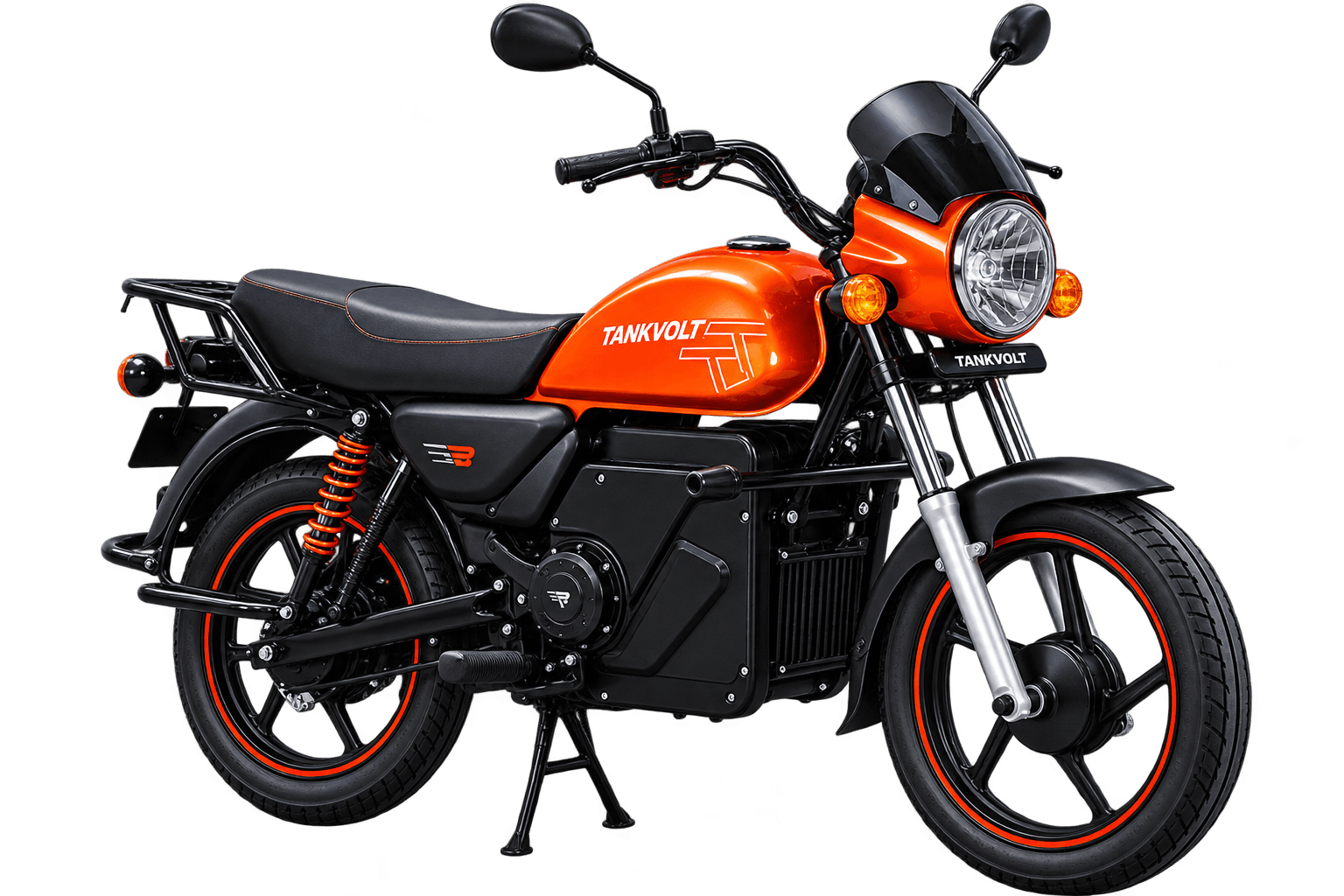
The Tank Volt roadster. A commuter frame with the tank-and-bars stance riders already know, running the same swappable pack as the rest of the line.
Swappable Pack
Same swap network
Rear Carrier
Rated for trade loads
Fleet Ready
Depot swapping
Tank Volt electric motorcycle in orange livery, front three-quarter view
Tank Volt
GH₵ 102 / day
Illustrative figure
Design brief

A cargo vehicle, not a bike with a box on it

Most electric cargo two-wheelers are passenger frames carrying weight they were never rated for. T22 starts from the load and works backwards.

01

Twin packs, one network

Two BEEP packs instead of one — the exact same pack the Tank Volt uses. A cargo rider swaps at the same cabinets, on the same route, with no separate infrastructure to build.
02

Braced for the load

A reinforced rear triangle and a bed that carries into the swingarm rather than the seat post. Rated payload is a rating, not a hope — 320 kg, on the roads that exist.
03

The box comes off

The load bed unbolts in minutes. A trader who runs goods six days a week and family on the seventh does not need two vehicles.
The Motor line

Three beds, one drivetrain

Same motor, same twin packs, same swap network. What changes is what sits behind the rider — and that is usually decided by what you carry, not how far.

Most operators start here

T22

The lockable box build. Weatherproof, secure, and the right answer for anything that must arrive dry and accounted for — parcels, pharmacy, food.
320 kg
Rated payload
1.1 m³
Load volume
140 km
Range, laden
GH₵ 102
Daily outlay
View details
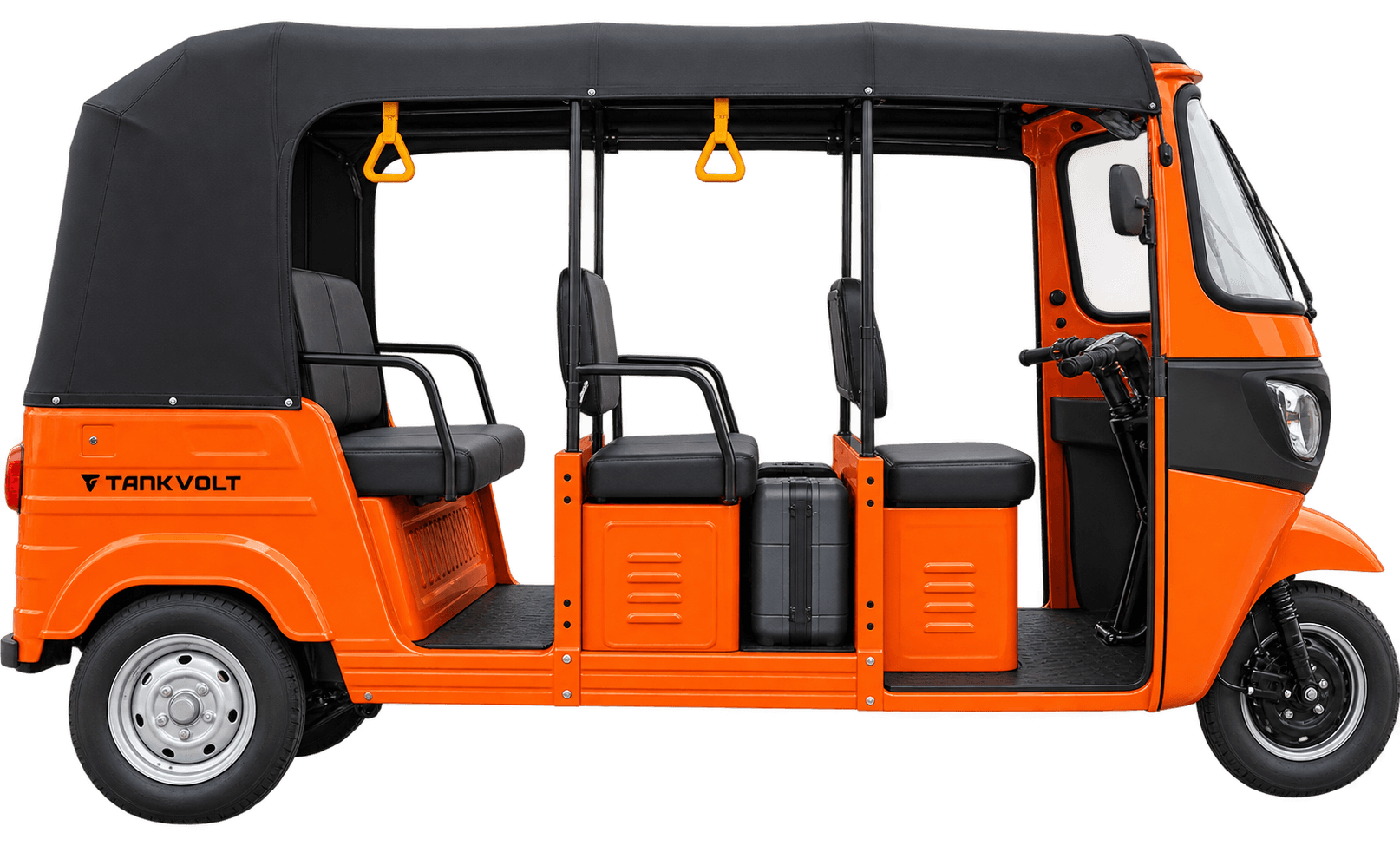
BEEP T22 electric motorcycle in orange livery, front three-quarter view

Figures are modelled targets pending confirmed manufacturer data. Daily outlay assumes a 55 km day at rated payload, six days a week, at Accra tariff assumptions.

On the route

Where the load actually goes

Three route shapes cover most of the commercial demand we see in Accra. Each one is a different duty cycle, and each one prices differently under Swap-to-Own.

Market distribution

Makola and Agbogbloshie out to neighbourhood sellers. Short hops, heavy loads, many stops, back before dark.

~40 km/day
Last-mile delivery

E-commerce and pharmacy runs on contract to a fleet operator. Longer distances, lighter loads, tight delivery windows.

~95 km/day
Trade supply

Owner-operators moving their own stock — water, gas, produce, building materials. Fewer trips, maximum payload each time.

~55 km/day
Specifications

T22

Illustrative figures
Range
twin packs, laden, mixed urban route
140 km
Top speed
electronically limited, load-biased
65 km/h
Rated payload
cargo plus rider
320 kg
Load bed
1.1 m³ lockable box, removable
620 × 420 mm
Motor
mid-hub, sealed, no chain
5.0 kW hub
Packs
same BEEP pack as Tank Volt
2 × 2.4 kWh
Swap time
both packs, station-to-station average
150 seconds
Gradeability
at rated payload
18%
Frame
pothole-rated, repairable roadside
Steel tube, braced
Brakes
combined, load-compensated
Front disc / rear drum
Ingress
harmattan dust and wet season
IP67 pack
Warranty
drivetrain, on Swap-to-Own contracts
24 months

Specifications are modelled targets for the demonstration build. Final figures depend on confirmed supplier data from Trans-Sahara Industries, including landed unit cost, pack chemistry and homologation testing. Nothing on this page constitutes a product warranty.

Operator economics

Against a petrol tricycle

Cargo operators do not switch on principle — they switch when the per-drop cost falls. Here the gap is wider than it is on the passenger side, because a loaded petrol engine drinks fuel and needs an overhaul every fourteen months.

Measure
T22
Petrol tricycle
Daily energy / fuel
GH₵ 58
GH₵ 112
Daily ownership payment
GH₵ 44
Total daily outlay
GH₵ 102
GH₵ 112
Monthly maintenance
GH₵ 65
GH₵ 310
Refuel / swap downtime
150 sec
11 min queue
Engine overhaul
None
Every 14 months
Drops per charge cycle
22
18
Owns the vehicle at month 30
Yes
No
Illustrative figuresModelled on a 55 km day at rated payload, six days a week, at Accra fuel and tariff assumptions.
For fleets

Bought in tens, not ones

T22 is the vehicle fleet operators ask about first, because cargo is where the unit economics are legible. The same daily-sweep mechanic that makes Swap-to-Own enforceable for one rider works across a depot.
Depot swapping
Cabinets sited at the depot for fleets above twenty vehicles.
Consolidated billing
One account, per-vehicle swap lines, daily reconciliation.
Route reporting
Swap logs by vehicle and route — station-side, not vehicle firmware.
Priority parts
Fleet stock held regionally against agreed uptime targets.
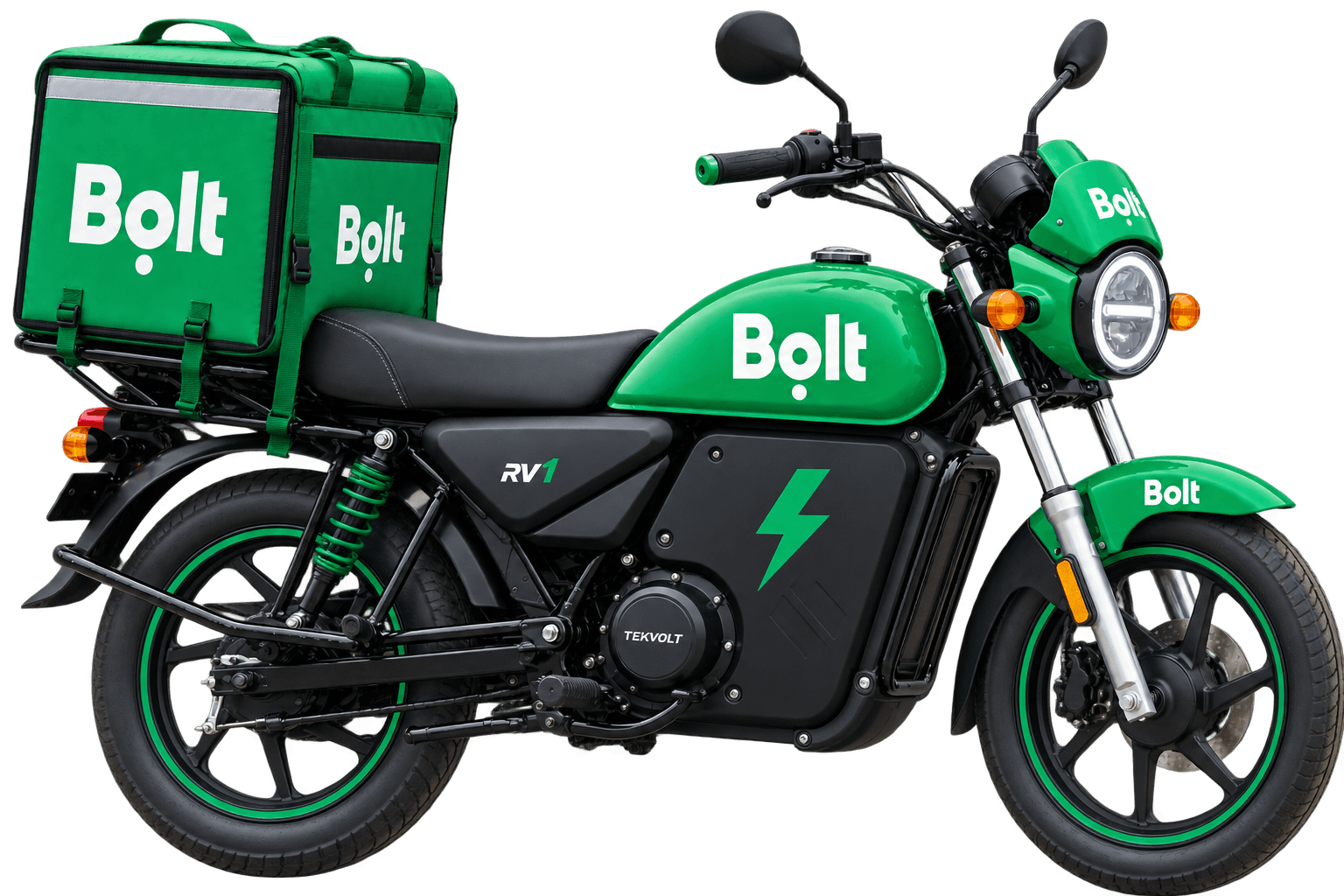
BEEP electric delivery motorcycle in Bolt livery
320 kg
Rated payload
1.1 m³
Load volume
BEEP packs

Move more for less per drop.

Swap-to-Own starts with no deposit, on single vehicles or across a depot. Every swap you pay for moves you closer to the logbook.